

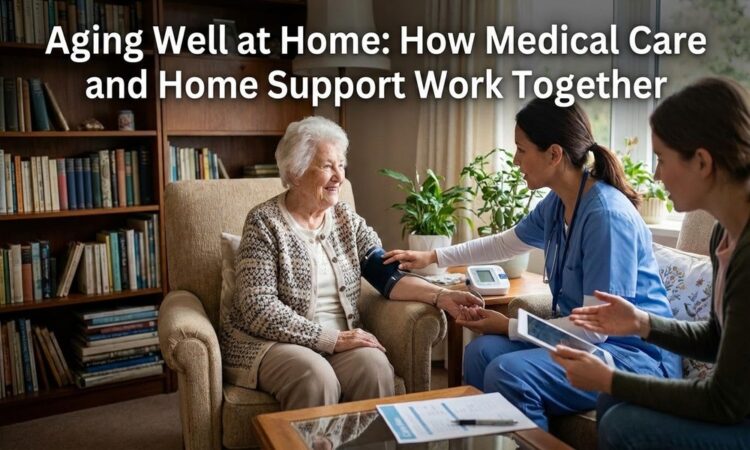
For many older adults, aging at home is the preferred choice. Familiar surroundings, daily routines, and a sense of independence can all support emotional well-being. But staying safe at home takes more than comfort alone. It often depends on the right mix of medical care and everyday support.
As people get older, their needs often become more complex. Chronic conditions, medication routines, and mobility challenges can all overlap. When healthcare providers and in-home support services work together, they create a system that helps older adults stay healthier, safer, and more connected to daily life.
Understanding the Shift Toward Aging at Home
More families are choosing to support aging loved ones at home instead of moving them into institutional settings. That shift is driven by both personal preference and practical needs. Advances in healthcare and home support services now make it possible to manage many conditions outside hospitals or long-term care facilities.
At the same time, the older adult population is growing. With that growth comes a greater need for flexible care options that can adapt to each person’s situation. Aging at home allows for personalized routines, more one-on-one attention, and stronger family involvement. Still, it also requires coordination. Without clear communication between medical providers and caregivers, important details can be missed.
That is why integrated care matters. It helps ensure medical guidance lines up with daily support, reduces risks, and improves overall outcomes.
The Role of Primary Care in Ongoing Health
Primary care providers are often the first point of contact for older adults. They monitor overall health, manage routine screenings, and help catch early signs of new concerns. Regular visits make it easier to track changes in mobility, cognition, and general wellness over time.
For example, practices like Internal Medicine & Primary Care of Sebastian focus on chronic disease management and adult primary care in Sebastian, FL. Their role goes beyond treating illness. They build long-term relationships with patients. That continuity helps providers notice subtle changes that might otherwise be overlooked.
Primary care also serves as a central point of coordination. When specialists are needed, referrals and follow-up care are often managed through the primary provider. That role becomes even more important when a patient is also receiving care at home. Clear communication between everyone involved helps ensure the care plan is followed correctly.
How Specialists Support Comprehensive Care
As people age, they may need care from several specialists. These can include cardiologists, endocrinologists, neurologists, and mental health professionals. Each one focuses on a specific area of health and brings targeted expertise.
The challenge is keeping that care coordinated. Without strong communication, treatments can overlap or even conflict. A medication prescribed by one specialist, for example, may interact with something prescribed by another. That is why a coordinated system is so important.
Specialists depend on current information from both primary care providers and caregivers. When everyone shares accurate records and observations, care becomes more precise. Patients benefit from a fuller picture of their health instead of a series of disconnected treatments.
The Importance of Chronic Disease Monitoring
Chronic conditions such as diabetes, hypertension, and heart disease are common among older adults. These conditions need consistent monitoring, not just occasional treatment. Small changes in symptoms can point to larger issues if they are not addressed early.
Healthcare providers create management plans that may include regular checkups, lab work, and medication adjustments. But much of the day-to-day monitoring happens at home. Blood pressure readings, glucose levels, and physical symptoms are often noticed there first, not in the clinic.
Facilities like Grand Forks Clinic emphasize primary care that supports ongoing monitoring. Their approach highlights the value of tracking patterns over time instead of relying on one visit at a time. When caregivers notice changes early and report them promptly, providers can step in sooner and help prevent complications.
That shared responsibility between medical teams and home support creates an important safety net for patients.
Daily Living Support and Quality of Life
Health is not only about medical treatment. Everyday tasks also play a major role in overall well-being. Bathing, meal preparation, and mobility can become more difficult with age. When those needs go unmet, health can decline quickly.
In-home caregiving services help with these daily activities. That support allows older adults to keep their independence while getting help where it is needed. It can also lower the risk of falls, malnutrition, and social isolation.
Services that focus on companionship and daily living support, including those offered by Alpenglow Homecare, address both physical and emotional needs. Regular interaction can help reduce loneliness, which is closely linked to both mental and physical health.
By supporting everyday routines, caregivers help create a stable environment where medical care can work more effectively.
Medication Management and Safety at Home
Medication management is one of the most important parts of aging at home. Many older adults take multiple prescriptions, each with its own dosage and schedule. Missing a dose or taking the wrong combination can create serious health risks.
Primary care providers and specialists work together to prescribe and adjust medications. Still, the day-to-day responsibility often falls to the individual or a caregiver. That is where structured support makes a real difference.
In-home care services, such as those provided by Alpenglow Homecare in Aurora, CO, can assist with medication reminders and routine support. They do not replace medical professionals, but they can help people follow care plans more consistently. Simple actions, like reminding someone to take medication or watching for side effects, can have a meaningful impact.
This extra layer of support helps reduce errors and maintain stability for people managing chronic conditions.
Mental Health as Part of Whole-Person Care
Mental health is often overlooked in older adults, yet it plays a major role in overall well-being. Conditions such as depression, anxiety, and cognitive decline can affect how a person manages physical health.
Healthcare systems are increasingly recognizing the need to include mental health support in standard care. That can involve counseling, medication management, and routine mental health screenings.
Organizations like BristolHealth.com incorporate mental health support into broader care strategies. This approach recognizes that emotional well-being is closely connected to physical health. Someone experiencing depression, for example, may have a harder time following medical advice or keeping up with daily routines.
When mental and physical health are addressed together, outcomes often improve. Patients tend to stay more engaged in their care and are better able to maintain independence.
Communication Between Care Teams and Families
One of the most important parts of coordinated care is communication. Primary care providers, specialists, caregivers, and family members all have a role in supporting the individual. Without clear communication, important details can easily be missed.
Regular updates help keep everyone aligned. That might include sharing medication changes, reporting new symptoms, or discussing adjustments to the care plan. Technology has made this easier through shared records and virtual check-ins.
Families also play an important role. They often serve as advocates, helping coordinate appointments and monitor care. When families are informed and involved, they can better support both medical providers and caregivers in delivering consistent care.
Clear communication builds trust and helps keep care centered on the individual’s needs.
Building a Sustainable Care Plan at Home
Creating a sustainable care plan takes thoughtful planning and flexibility. Needs change over time, so care plans must change with them. What works well today may not be enough a year from now.
A strong care plan includes regular medical oversight, dependable in-home support, and clear communication between everyone involved. It also reflects personal preferences, giving individuals more control over their routines and environment.
By combining medical expertise with practical daily support, older adults can continue living at home safely. This integrated approach can reduce hospital visits, improve quality of life, and support long-term independence.
Conclusion
Aging well at home is not the result of one service or one provider. It comes from coordinated efforts among medical professionals, caregivers, and families. When those pieces work together, they create a support system that protects both health and independence.
As the need for home-based aging support continues to grow, the value of integrated care becomes even clearer. By focusing on communication, consistency, and personalized support, older adults can continue living safely and comfortably in the place they call home.