
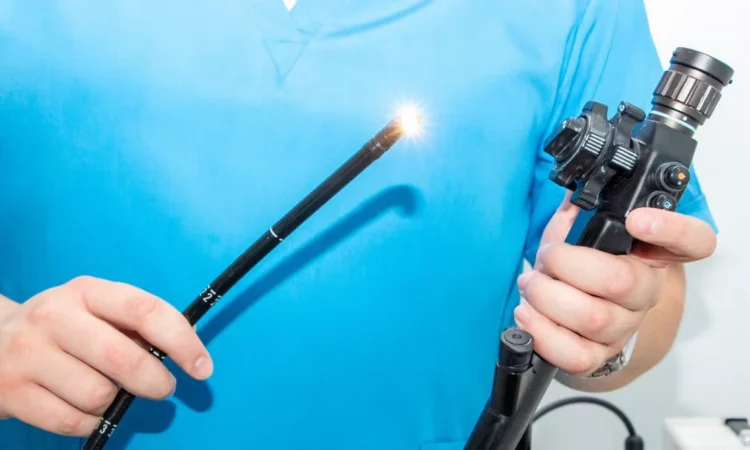
A gastroscopy is a commonly performed procedure used to examine the upper digestive tract, including the esophagus, stomach, and duodenum. Doctors often recommend it for symptoms such as persistent acid reflux, stomach pain, bloating, nausea, swallowing difficulties, or gastrointestinal bleeding.
Although the procedure itself is generally safe and quick, many patients focus mainly on preparation and overlook the recovery process afterward. Proper post-procedure care may help reduce discomfort, support healing, and prevent unnecessary complications.
While most individuals recover within a short period, there are several important recovery tips that patients commonly miss after a gastroscopy procedure.
Expect Mild Symptoms After the Procedure
Some patients become anxious when they experience mild discomfort after the examination.
It is normal to have temporary throat soreness, bloating, mild cramping, or a feeling of fullness after the procedure. Air introduced during the examination may remain in the digestive tract briefly, causing temporary gas or abdominal pressure.
These symptoms usually improve within several hours. Understanding that mild discomfort is common may help reduce unnecessary worry during recovery.
Do Not Rush Back to Normal Activities
Many patients underestimate the lingering effects of sedation.
Even if someone feels alert shortly after the procedure, sedation medications may continue affecting coordination, judgment, and reaction time for several hours. Driving, operating machinery, signing important documents, or returning immediately to demanding work activities is generally not recommended.
Allowing the body adequate time to recover after a gastroscopy test may help prevent accidents and improve overall comfort.
Start With Light Meals First
One common mistake is eating heavy meals too soon after the procedure.
The throat and stomach may still feel sensitive after digestive evaluation. Starting with soft, light foods such as soup, porridge, toast, or crackers may help reduce irritation.
Spicy, greasy, or acidic foods may temporarily worsen bloating or throat discomfort. Gradually returning to a normal diet often allows the digestive system to recover more comfortably.
Stay Hydrated Throughout Recovery
Hydration is often overlooked after digestive procedures.
Fasting before a gastroscopy may leave some individuals mildly dehydrated, especially if they were unable to drink fluids for several hours beforehand. Drinking water slowly after the procedure may help ease throat dryness and support recovery.
However, patients should wait until swallowing feels completely normal before drinking or eating to reduce choking risk.
Avoid Alcohol and Smoking Temporarily
Alcohol and smoking may irritate the digestive tract after the procedure.
Alcohol may worsen dehydration and interact with lingering sedation medications, while smoking may irritate the throat and stomach lining. Both habits may also aggravate acid reflux or digestive inflammation.
Avoiding these irritants for at least 24 hours after a gastroscopy may help reduce discomfort and support healing.
Pay Attention to Unusual Symptoms
Most patients recover without complications, but certain symptoms should not be ignored. Individuals should seek medical attention if they experience:
- Severe abdominal pain
- Persistent vomiting
- Fever or chills
- Difficulty breathing
- Vomiting blood
- Black stools
- Chest pain
- Difficulty swallowing that worsens over time
Although complications are uncommon, early medical attention is important if concerning symptoms appear.
Resting Properly Matters
Some individuals resume full activity too quickly because the procedure itself is relatively short.
The body may still need time to recover from sedation, fasting, and digestive irritation. Taking the remainder of the day to rest may help reduce fatigue and dizziness.
Patients who prioritize rest often feel more comfortable and recover more smoothly after the procedure.
Understand That Biopsy Results Take Time
During a gastroscopy, doctors may collect tissue samples for laboratory testing if abnormalities are detected.
Some patients become anxious when results are not immediately available. However, biopsy analysis usually requires several days because tissue samples must be examined carefully under a microscope.
Understanding this process may help patients avoid unnecessary stress while waiting for follow-up appointments or pathology reports.
Follow Medication Instructions Carefully
Doctors sometimes prescribe medications after the procedure depending on the findings.
Patients may receive acid-reducing medications, antibiotics, or treatments for gastritis, ulcers, or infections. Following instructions carefully is important for symptom control and healing.
Some individuals stop medications too early once symptoms improve, which may increase the risk of recurring digestive problems.
Avoid Ignoring Long-Term Lifestyle Habits
Recovery should not only focus on the first 24 hours after the procedure.
If digestive irritation or inflammation was detected, lifestyle habits may need long-term adjustment. Irregular eating schedules, excessive alcohol intake, smoking, chronic stress, and certain foods may worsen digestive symptoms over time.
Many patients overlook the importance of maintaining healthier habits after a gastroscopy, even when doctors identify early digestive abnormalities.
Conclusion
A gastroscopy is generally a safe and effective procedure used to evaluate digestive symptoms and identify upper gastrointestinal conditions. While preparation is important, recovery care also plays a significant role in overall comfort and healing.
Many patients overlook simple but important recovery tips such as resting properly, avoiding heavy meals, staying hydrated, and monitoring for warning signs. Following post-procedure instructions carefully may help support smoother recovery and better long-term digestive health.