

Understanding Why Some Areas of Fat Resist Diet and Exercise and What Treatment Options Are Available.
Few things are more frustrating than committing to a healthy diet, exercising consistently, and successfully losing weight, only to discover that certain areas of fat seem completely unaffected by your efforts. Many patients arrive at cosmetic surgery consultations feeling discouraged because they have done everything “right” yet continue to struggle with pockets of fat that refuse to disappear. These stubborn areas can occur in both men and women and often persist regardless of fitness level, age, or overall body weight.
The truth is that not all body fat behaves the same way. Some fat responds relatively well to changes in diet and activity, while other fat deposits are heavily influenced by genetics, hormones, age, and individual body composition. This is why two people following identical exercise routines may develop dramatically different body shapes.
Understanding what causes stubborn fat deposits can help patients set realistic expectations about what lifestyle changes can accomplish and when additional treatment options may be worth considering. While healthy habits remain the foundation of long-term wellness, modern body contouring procedures can address areas that often prove resistant to even the most disciplined efforts.
At The One Plastic Surgery, board-certified plastic surgeon Dr. Siamak Agha helps patients understand the underlying causes of stubborn fat and develops personalized body contouring plans designed to create balanced, natural-looking results.
Not All Body Fat Is the Same
One of the biggest misconceptions about weight loss is the belief that the body burns fat evenly from all areas. In reality, the body determines where fat is stored and where it is lost according to factors that are often beyond an individual’s control.
Fat cells exist throughout the body, but their concentration varies by location. Some areas contain a higher density of fat cells and are more likely to retain volume even when overall body fat decreases. This phenomenon explains why a person may lose weight in the face, arms, and upper body while continuing to struggle with fullness around the abdomen, hips, or thighs.
The body also prioritizes fat loss differently depending on genetics and hormone levels. As a result, certain regions can remain resistant despite significant weight reduction.
Many patients become frustrated because they assume persistent fat deposits indicate a lack of effort. In reality, biological factors often determine these areas, and lifestyle modifications alone cannot fully control them.
Genetics Play a Major Role
Genetics are among the most influential factors affecting fat distribution.
Just as people inherit characteristics such as eye color, height, and facial features, they also inherit patterns of fat storage. Some individuals are genetically predisposed to carry more fat in the abdomen, while others store it primarily in the hips, thighs, lower back, or upper arms.
This is often why family members share similar body shapes.
Even highly active individuals with low overall body fat percentages may continue to struggle with genetically determined areas of fullness. These deposits often remain despite years of disciplined exercise and nutrition.
Understanding the role of genetics can help patients recognize that stubborn fat is not necessarily the result of poor habits or inadequate effort.
Rather, it reflects the body’s unique blueprint for storing and retaining energy.
“Many stubborn fat deposits are not a reflection of lifestyle choices. They are often the result of genetics, hormones, and the body’s natural patterns of fat storage.”
Hormones Influence Fat Storage
Hormones have a profound effect on where fat accumulates throughout the body.
Changes in hormone levels can influence both fat distribution and the body’s ability to mobilize stored fat for energy.
In women, estrogen often contributes to fat storage in areas such as the hips, thighs, and buttocks. This pattern serves biological purposes related to reproduction and energy reserves.
As hormone levels fluctuate during pregnancy, menopause, and other life stages, fat distribution patterns may change as well.
Men commonly store fat around the abdomen, although hormonal shifts associated with aging can alter these patterns over time.
Because hormones influence fat metabolism, certain areas may remain resistant even when patients successfully reduce their overall body weight.
This is one reason why some people notice dramatic improvements in certain areas while others remain relatively unchanged.
Age Changes the Way the Body Stores Fat
Many patients notice that maintaining their figure becomes increasingly difficult as they get older.
Age-related hormonal changes, reduced muscle mass, and slower metabolic activity all contribute to shifts in body composition.
Even individuals who maintain stable weights may experience increased fat accumulation in certain areas as they age.
At the same time, the body becomes less efficient at burning calories, making it easier to store excess energy as fat.
This combination of factors often leads to stubborn fat deposits that become more noticeable over time.
Patients frequently report that areas they never struggled with in their twenties or thirties become problematic in their forties, fifties, and beyond.
While healthy habits remain important, age-related changes can make targeted fat reduction increasingly challenging without additional intervention.
Why Spot Reduction Does Not Work
One of the most persistent myths in fitness is the idea of spot reduction.
Many people believe that performing exercises targeting a specific area will burn fat directly from that location. For example, countless abdominal exercises are often promoted as solutions for belly fat.
Unfortunately, the body does not work this way.
Exercise strengthens underlying muscles, but it does not selectively remove fat from the area being trained.
A person can perform thousands of abdominal exercises and still retain abdominal fat if their body is genetically inclined to store fat in that area.
Similarly, arm exercises strengthen muscles but do not necessarily eliminate arm fat.
This misunderstanding often leads patients to become discouraged when targeted exercise routines fail to produce the desired contour improvements.
The reality is that fat loss occurs systemically throughout the body rather than from a single isolated location.
Common Areas for Stubborn Fat Deposits
Although stubborn fat can develop almost anywhere, certain areas are especially common.
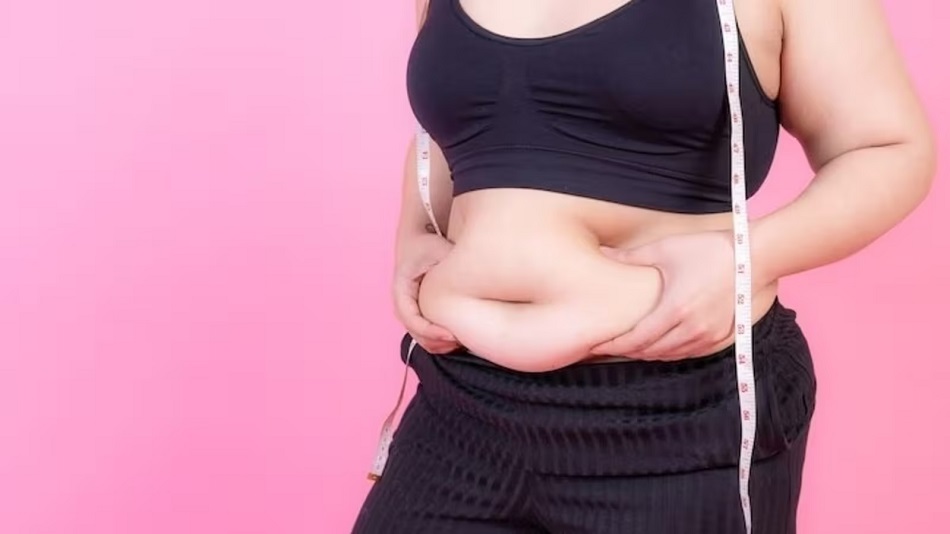
The abdomen remains one of the most frequently reported concerns among both men and women. Even individuals who maintain healthy body weights often struggle with persistent abdominal fullness.
Other common treatment areas include:
- Flanks or “love handles”
- Hips
- Outer thighs
- Inner thighs
- Upper arms
- Lower back
- Under the chin
- Chest area in men
These regions are particularly prone to retaining fat because of genetic and hormonal influences.
For many patients, these deposits become more noticeable after weight loss because surrounding areas shrink while resistant areas remain relatively unchanged.
Lifestyle Still Matters
Although genetics and hormones play major roles, lifestyle factors should not be overlooked.
Poor nutrition, sedentary behavior, inadequate sleep, and chronic stress can all contribute to fat accumulation and make weight management more difficult.
Sleep deprivation, for example, affects hormones that regulate hunger and metabolism. Chronic stress increases cortisol levels, which may encourage fat storage in certain individuals.
Even so, patients who maintain excellent lifestyle habits often continue to experience stubborn fat deposits.
This distinction is important because it helps patients see that persistent problem areas do not necessarily result from a lack of discipline.
Healthy habits remain essential, but they cannot always override biological factors.
When Body Contouring Becomes an Option
Many patients eventually reach a point where they feel they have maximized the benefits of diet and exercise.
They maintain a stable weight, follow healthy routines, and remain physically active, yet certain areas simply do not respond.
This stage is often when body contouring becomes a valuable consideration.
Body contouring procedures are not substitutes for weight loss. Instead, they are designed to refine body shape by addressing localized areas of fat and contour irregularities.
Patients who are close to their ideal weight often achieve the most satisfying outcomes because body contouring focuses on sculpting rather than reducing overall body mass.
The goal is to enhance proportions and create smoother, more balanced contours.
The Relationship Between Fat Deposits and Body Confidence
Physical appearance is not solely about aesthetics. For many people, persistent fat deposits affect confidence and self-image.
Patients frequently describe feeling frustrated when a specific area prevents them from fully appreciating their overall progress.
Some avoid certain clothing styles, while others feel self-conscious despite being in excellent physical condition.
Addressing stubborn fat can help patients feel more comfortable and confident in their appearance.
Importantly, the goal should never be perfection. Rather, treatment should focus on helping patients achieve results that align with their personal goals and lifestyle.
“The most successful body contouring outcomes occur when patients have realistic expectations and view treatment as a refinement of their hard work rather than a replacement for it.”
Personalized Evaluation Is Essential
Every patient stores fat differently.
What appears to be a stubborn fat deposit may involve a combination of factors, including fat distribution, skin quality, muscle structure, and overall body composition.
This is why personalized evaluation is so important.
At The One Plastic Surgery, Dr. Siamak Agha carefully assesses each patient’s anatomy and goals before recommending any treatment plan. By understanding the underlying causes of a patient’s concerns, he can develop a customized strategy designed to create natural-looking improvements while maintaining overall body harmony.
The result is a treatment approach that is tailored specifically to the individual rather than based on generalized assumptions.
Frequently Asked Questions
Why do some fat deposits not respond to exercise?
Genetics, hormones, and fat cell distribution often make certain areas resistant to diet and exercise.
Can I target belly fat with abdominal exercises?
No. Exercise strengthens muscles but does not selectively remove fat from a specific area.
Why do I still have stubborn fat after losing weight?
Some areas contain higher concentrations of fat cells and may remain resistant despite overall weight reduction.
Are stubborn fat deposits caused by poor lifestyle habits?
Not necessarily. Many healthy, active individuals struggle with stubborn fat because of genetic and hormonal factors.
When should I consider body contouring?
Patients who are near their ideal weight but continue to struggle with resistant fat deposits may benefit from a consultation.
Refine Your Results With a Personalized Body Contouring Plan
Stubborn fat deposits can be frustrating, especially when they persist despite healthy habits and significant weight loss efforts. Understanding the role of genetics, hormones, aging, and body composition can help patients develop realistic expectations and explore solutions that complement their existing lifestyle.
At The One Plastic Surgery, Dr. Siamak Agha specializes in personalized body contouring strategies designed to address stubborn fat while preserving natural-looking proportions. Through careful planning and advanced surgical techniques, he helps patients achieve smoother contours and enhanced confidence.
If you are struggling with resistant fat deposits and would like to explore your options, schedule a consultation with Dr. Siamak Agha at The One Plastic Surgery in Newport Beach today.